
Maximizing Conversion Rates: The Omnichannel Feature You Can’t Ignore
By Ecomm11 Team ·
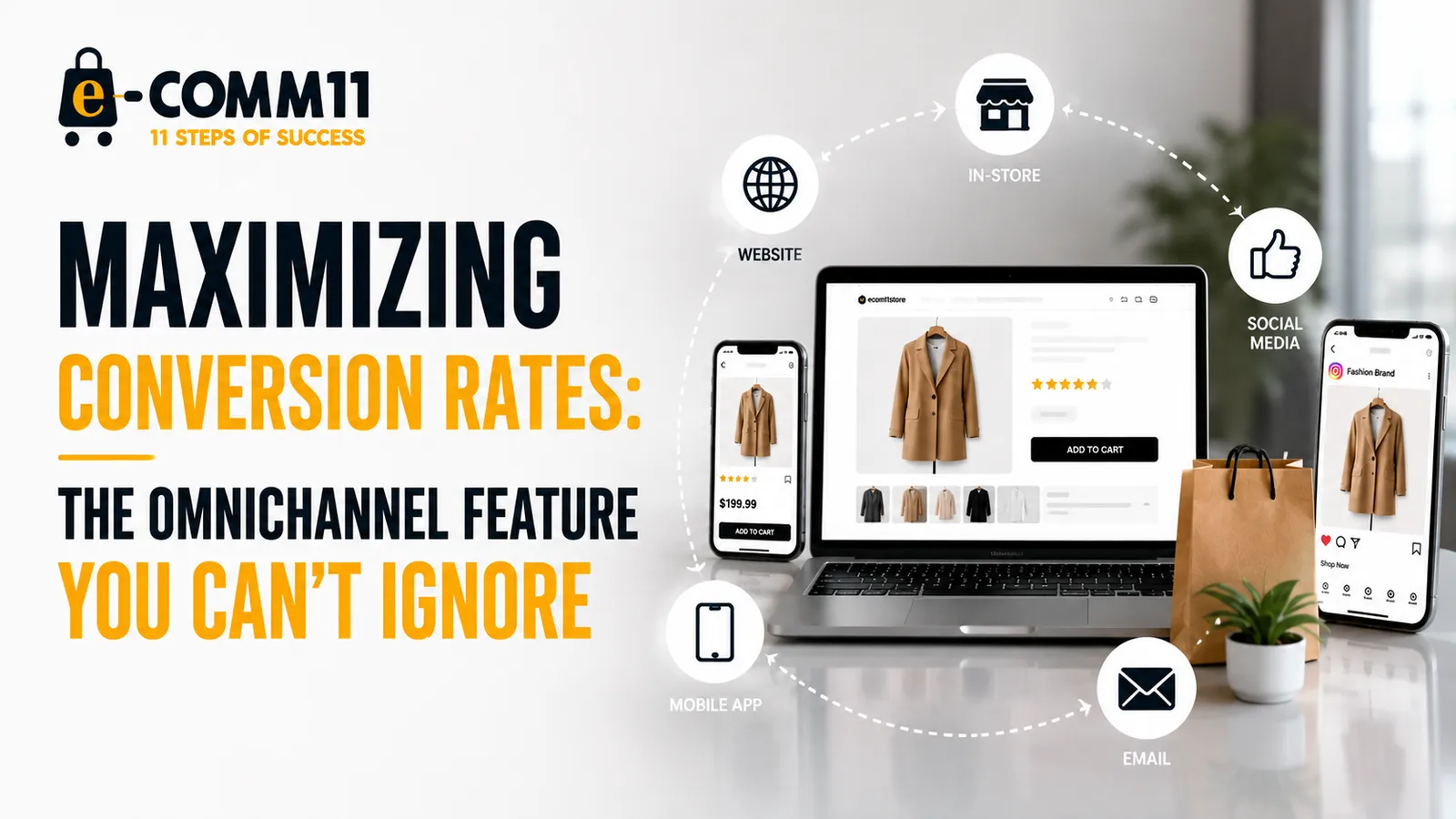
Understanding Omnichannel Commerce
Omnichannel commerce refers to the smooth integration of various sales channels, including physical stores, e-commerce websites, social media, and mobile apps. This approach provides customers with a cohesive shopping experience, whether they engage with your brand online or offline.
Why Omnichannel Matters for Conversion Optimization
With customers having access to multiple platforms, it’s essential for businesses to deliver a consistent message across all channels. Here’s why omnichannel commerce is critical for conversion optimization:
- Increased Customer Engagement: Omnichannel strategies keep customers engaged across various touchpoints, leading to higher conversion rates.
- Improved Customer Insights: By analyzing customer behavior across channels, businesses can adapt their marketing strategies to meet customer needs better.
- Enhanced User Experience: A smooth transition between channels leads to a more enjoyable shopping experience, encouraging customers to complete their purchases.
Key Sales Strategies for Implementing Omnichannel Commerce
To use omnichannel commerce effectively, here are some sales strategies that you can adopt:
1. Create a Unified Brand Experience
Your brand message should be consistent across all platforms. Ensure that your website, social media, and advertising reflect the same tone, visuals, and values. This consistency fosters trust and recognition.
2. Use Data Analytics
Use data analytics tools to gather insights about your customers’ behaviors. Understanding where and how your customers are engaging with your brand will help you optimize each channel for better conversion rates.
3. Implement Personalization Techniques
Use customer data to personalize the shopping experience. Personalized recommendations based on previous purchases can significantly increase conversion rates.
4. Provide Omnichannel Customer Support
Ensure that customer support is available across all channels. Whether it’s through social media, email, or chatbots, responsive support can alleviate customer concerns and encourage them to finalize their purchase.
Examples of Successful Omnichannel Integration
Several brands have effectively used omnichannel strategies to boost their conversion rates:
- Starbucks: The Starbucks app allows customers to order ahead and earn rewards, smoothly connecting their physical and digital experiences.
- Sephora: By integrating online and in-store shopping experiences, Sephora allows customers to use their mobile app for in-store product trials and recommendations.
What to do next
Incorporating omnichannel features into your sales strategy is no longer optional but essential for maximizing conversion rates. With an improved customer experience, enhanced engagement, and custom marketing strategies, omnichannel commerce can transform your sales efforts.
If you’re ready to take your conversion optimization to the next stage using omnichannel strategies, contact today!
Related posts
A/B Testing Strategies to Optimise Shopify Facebook Ad Campaigns
eCommerceA step-by-step approach to A/B testing Shopify Facebook ads: what to test first, fair setup in Ads Manager, creative, audience, landing page and offer tests, and how to judge results.
Common Facebook Ads Mistakes Shopify Store Owners Must Avoid
eCommerceThe Facebook ads mistakes that quietly drain Shopify budgets, why each one hurts, and the fix for every one, from tracking and optimisation events to creative fatigue and exclusions.
Google Ads Performance Max Campaigns: A Practical Guide for Shopify Sellers
eCommerceA Shopify seller's guide to Performance Max: what the campaign needs from your feed and tracking, how to structure asset groups, control brand spend, set bids and judge results honestly.